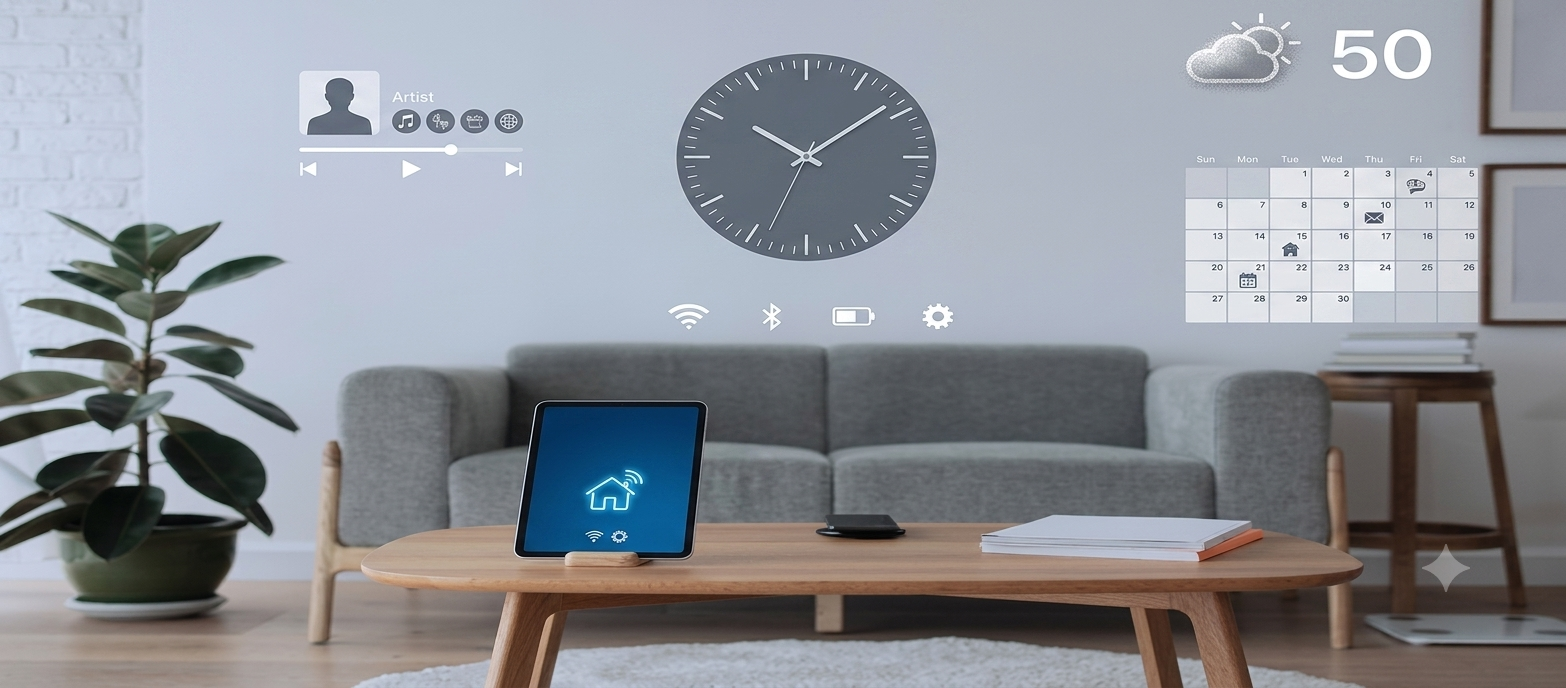
Transform Your Living Space in Minutes Using Modern Smart Technology
Turning a plain home into a cozy space used to require long weeks. Families had to draw out room plans, carry big fabric pieces, and pay high fees to experts. Today, things run differently. Homeowners everywhere test fresh layouts online prior to spending real money. If you need to fix a small bedroom or arrange a whole floor plan, smart software keeps everything direct and simple.
Modern software removes room layout doubts. You never need to guess if wall paint will look wrong beside your couch. Visual concepts take shape in seconds. When you test modern AI interior design tools, you check colors, textures, and seating choices without moving from your couch.
The Evolution of Spatial Planning
Decorating rooms long meant building paper vision boards and measuring corners by hand. Old methods worked, yet they led to frequent visual errors that cost real money.
Digital tools changed everything by bringing floor plans and color choices to live screens. Work that once took full days of manual drawing takes minutes now. Computer tools check wall dimensions, lighting angles, and room balance automatically.
This shift supports everyone. Expert planners present room layouts to clients far quicker now, and homeowners get to test out concepts prior to hiring help or buying big items.
Key Benefits of Digital Styling
Changing up a layout can bring stress sometimes. Adding smart software tools to your early steps brings clear benefits over older setup habits:
- Test many color schemes and layout choices within minutes.
- Save cash by preventing major layout mistakes early.
- Check real room scale prior to shifting heavy tables.
- Share clear visual ideas with builders so everybody stays aligned.
Keeping these quick choices ready reduces project stress and turns simple thoughts into solid plans.
Step-by-Step Creative Workflow
Starting a room refresh from scratch can feel hard, but simple steps keep project work moving well.
Establish Your Foundation
Start by taking exact measurements of your room space. Mark down windows, doors, and ceiling heights. Clear numbers prevent bad furniture setups later on.
Gather Visual Inspiration
Find images of rooms that feel calm and pleasant. Look closely at soft lights, wall textures, and room balance rather than single objects.
Test Ideas Digitally
Input your choices into a digital tool to see how items fit together. Using an AI room design system reveals which setups save floor space while keeping the area looking clean.
Refine Material Selections
After selecting a floor layout, test wood finishes, fabric choices, and paint options. Seeing how light hits room surfaces makes selecting the right items easy.
Essential Elements of Modern Rooms
Every solid room plan relies on simple rules. Learning these key points helps you review room drafts like an expert.
- Place soft lamps and accent lights around to build warmth.
- Combine different fabrics like velvet, wood, and linen with care.
- Leave open walking paths so room areas feel broad and bright.
- Select one central focal item to guide how the space looks.
If all these elements align properly, room layouts appear well balanced, neat, and ready for daily use.
Overcoming Common Planning Mistakes
Even trained experts make mistakes when updating home spaces. A frequent error is choosing wall paint prior to selecting key items like sofas or area rugs. Paint comes in endless shades, yet finding a sofa to match a painted wall is quite hard.
Another frequent error involves scale. Large furniture crowds small rooms, while small items get lost inside broad areas. Digital tools fix scale issues right away by building realistic 3D models with exact numbers.
Sustainable Living Solutions
Digital room tools serve more than visual looks. They support environmental care too. By checking exact sizes and lighting needs early on, people make wiser purchase choices.
Fewer incorrect orders result in fewer returns. That cuts transport emissions and keeps excess waste out of local landfills. Viewing room details clearly also encourages updating old tables with new paint rather than buying cheap replacement items.
Maximizing Small Space Functionality
City apartments demand smart solutions for compact rooms where every foot of floor matters. When space remains limited, standard rules must adjust so areas do not feel crowded. Digital platforms offer great help for spotting extra layout options that usually get missed.
Hanging tall mirrors, using multi-use tables, and installing high shelves shift how small rooms feel. Wall shelves draw eyes upward to make low ceilings look higher while keeping floor space totally free. Tables featuring thin legs let ambient light flow beneath, making tight corners look open.
Testing flexible setups online first ensures compact rooms remain functional while holding a neat appearance.
Budgeting for Space Transformations
Completing a successful room update requires matching your creative goals with true financial plans. Without a structured roadmap, extra costs add up fast from unexpected purchases and poor material estimates.
A step-by-step plan keeps spending under control while keeping progress going:
Phase One Investment
Direct main funds toward primary items like sturdy sofas, solid beds, and reliable light fixtures that last long.
Phase Two Accents
Use secondary funds for flexible decor items like small rugs, pillows, and wall art that swap out easily as trends shift.
Phase Three Details
Set aside leftover money for minor accents, live plants, and hardware elements that give your room a complete look.
Bringing Your Vision to Life
Moving from a digital draft to a physical room requires step-by-step execution. Start by clearing the space completely so you work with a blank room. Complete messy tasks like wall painting, drywall repairs, or floor refinishing prior to bringing in furniture.
Position your largest items first to set the main layout points. Next, layer area rugs, extra chairs, and accent lights. Finish up with personal items, art pieces, and plants to give your room a complete feel that reflects your personal taste.
Conclusion
Modern digital tools make home styling simple, allowing anyone to build fresh spatial setups with complete confidence. By testing layouts, colors, and textures on screen, you save valuable time while skipping costly real-world mistakes. When you feel ready to upgrade your spatial planning workflow and discover endless room ideas, exploring the creative features at dsgnrai.com will lift your home transformation journey.