Ready-to-Wear Lehenga Styling: Getting Occasion Dressing Right Without Last-Minute Tailoring
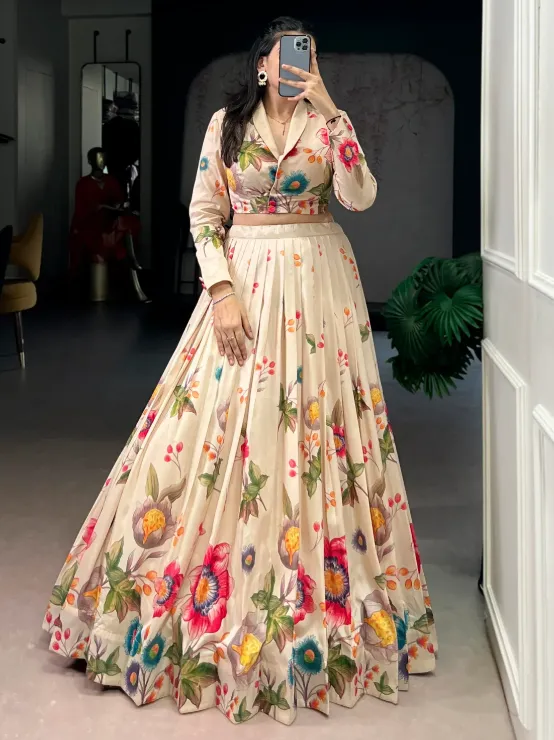
Festive dressing becomes much simpler when an outfit arrives close to its finished form. A ready to wear lehenga choli for women can be especially useful for busy wedding seasons, destination events, and celebrations where there is little time for extensive tailoring.
Convenience still needs planning. Fit, colour, footwear, accessories, and the event itself should all be considered so the finished look feels personal rather than simply pulled straight from the wardrobe.
Check the Fit Where It Matters Most
Ready-to-wear clothing reduces tailoring, but that makes choosing the right measurements even more important. Pay particular attention to the blouse and waistband because small fit differences in these areas can affect comfort throughout the event.
The shoulder seams should sit naturally, and the blouse should allow free arm movement. The skirt waistband needs to feel secure without becoming uncomfortable after sitting for an hour.
During the first trial, check:
-
Bust and shoulder fit
-
Blouse length
-
Sleeve movement
-
Lehenga waist measurement
-
Overall skirt length
-
Comfort of hooks and closures
Trying the outfit with the intended undergarments also gives a more accurate idea of the final fit.
Use Ready-to-Wear as a Time Saver, Not a Compromise
The biggest advantage of a finished outfit is that you can see the complete silhouette early. There is less uncertainty about how the blouse and skirt will finally come together after stitching.
However, a small alteration can still improve the look. Shortening sleeves, adjusting the waist slightly, or refining the blouse sides does not take away from the convenience of ready-to-wear clothing.
Order early enough to leave room for these minor changes. The goal is to avoid major reconstruction while still allowing the outfit to fit naturally.
Build the Outfit Around the Celebration
A lehenga for a daytime wedding does not need the same styling as one for a reception. Instead of focusing immediately on embroidery, decide what the event requires.
For example:
-
Engagement: balanced embroidery and polished accessories
-
Sangeet: lighter skirt with comfortable movement
-
Day wedding: softer colour and controlled embellishment
-
Reception: deeper shades or reflective details
-
Festive dinner: simpler styling with one statement element
This approach makes it easier to choose an outfit that looks appropriate without feeling either underdressed or excessive.
Let Orange Create the Festive Energy
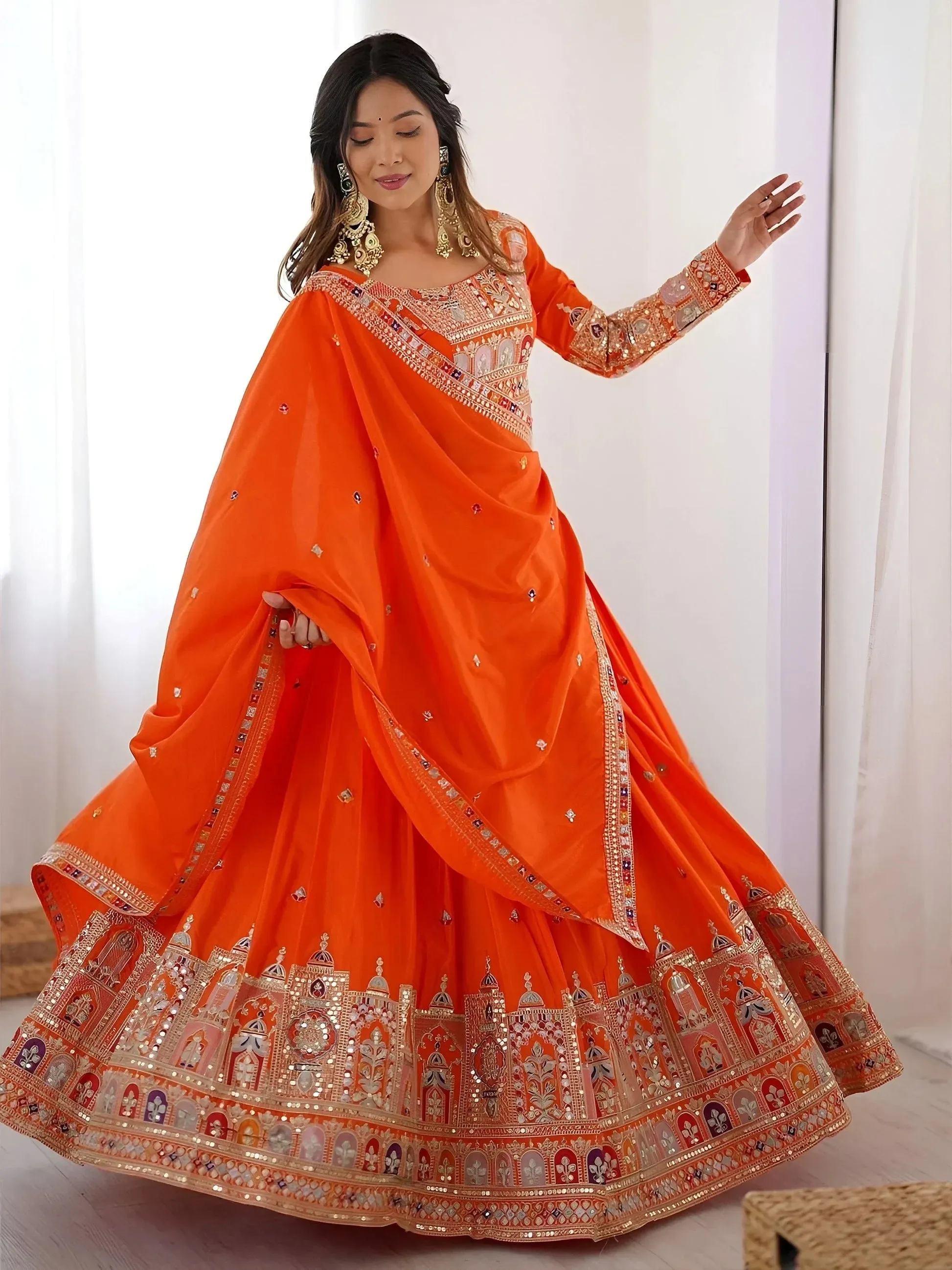
An Orange Lehenga Choli can bring warmth and energy to wedding and festive dressing without depending entirely on heavy embroidery. The colour family ranges from soft peach-orange and coral to saffron, rust, and deeper burnt orange.
Lighter shades can work beautifully for daytime celebrations, while richer orange tones gain depth under evening lighting. Gold embroidery creates a traditional finish, while ivory or green accents can introduce contrast.
Rather than matching every accessory to orange, select one supporting colour and repeat it subtly across the jewellery, dupatta, or clutch.
Make the Dupatta Change the Personality
A ready outfit can still feel individual when the dupatta is styled thoughtfully. Its colour and placement can make the lehenga look softer, more traditional, or more contemporary.
Try a few different approaches:
-
One-shoulder drape for a relaxed party look
-
Pleated front drape for formal occasions
-
Contrasting dupatta for stronger colour definition
-
Belted drape when movement is important
-
Sheer tonal dupatta for a clean monochrome effect
If the dupatta has a heavy border, secure it carefully so its weight does not pull on the blouse.
Style the Jewellery After Seeing the Full Outfit
It is easier to choose jewellery once you know how much decoration the lehenga already carries. A detailed blouse may need little more than statement earrings, while a cleaner neckline can support a necklace.
Gold and kundan can enhance warm festive colours. Pearls may soften lighter shades, while antique-metal finishes can add depth to earthy orange tones.
The strongest styling usually has one dominant accessory. When necklace, earrings, bangles, bag, and footwear all compete equally, even a beautiful lehenga can start to look crowded.
Do a Real Movement Test
The final trial should go beyond standing in front of a mirror. Wear the complete outfit with your planned footwear and move as you would during the actual celebration.
Sit for several minutes, walk across the room, climb a few steps, and raise your arms. If dancing is likely, try a few turns too.
Check whether the skirt catches underfoot, the waistband shifts, or the blouse restricts movement. These are much easier to correct before the event.
Final Thoughts
Ready-to-wear lehengas can remove much of the stress associated with occasion dressing, but the best results still come from thoughtful preparation. Accurate measurements, minor fit adjustments, suitable color, comfortable movement, and selective accessories all contribute to the finished look.
When convenience is combined with personal styling rather than treated as a shortcut, a ready outfit can feel just as considered and celebration-ready as one planned through a longer tailoring process.
