Everest Base Camp Trek with Helicopter Return: Why Travel Insurance Matters
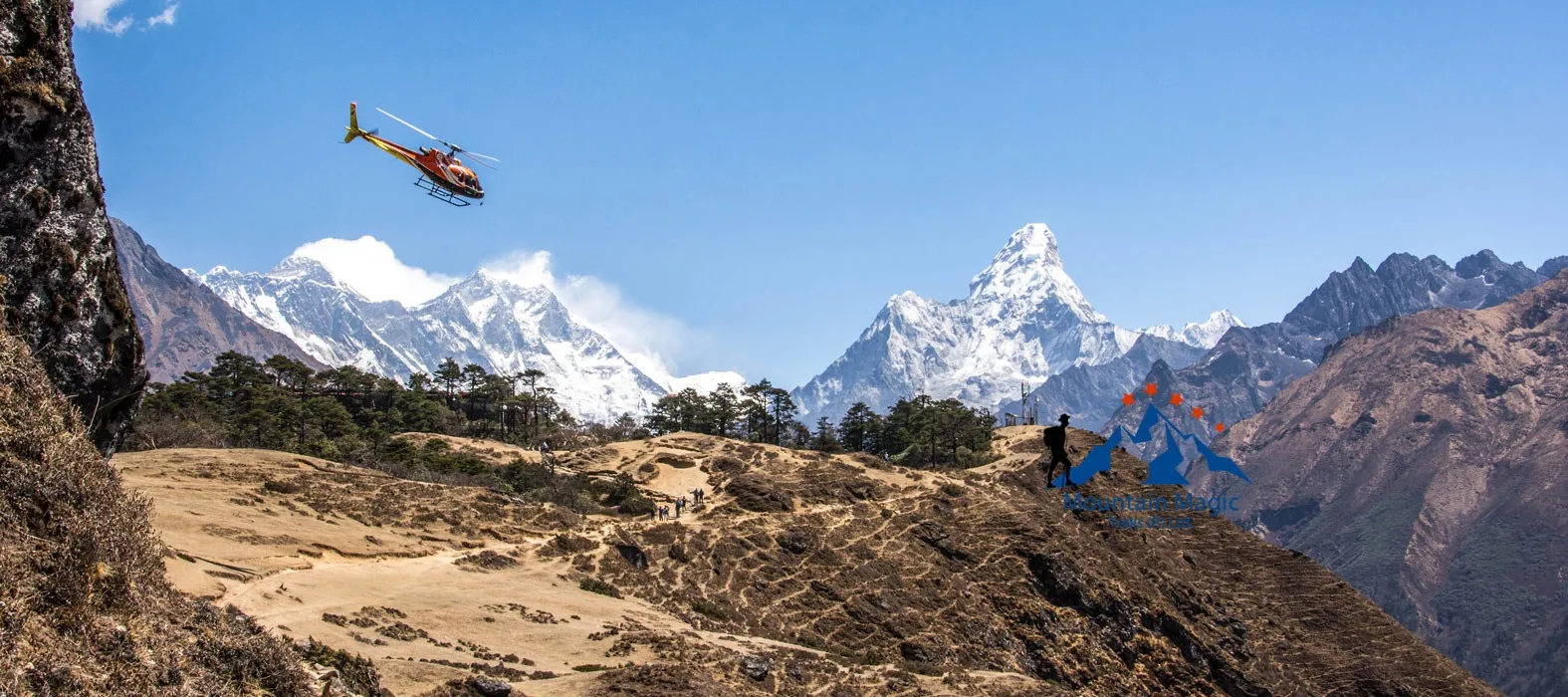
A high-altitude trekking trip involves more than booking flights and accommodation. Travelers also need to consider what could happen if an illness, injury, flight delay, or unexpected change affects the planned journey. These situations can become more difficult in remote mountain areas, where transport and medical facilities are limited.
The Everest Base Camp Trek with Helicopter Return reaches elevations above 5,000 meters and includes travel through remote parts of Nepal. Mountain Magic Treks lists travel insurance as an important requirement and notes that rescue assistance is funded through the traveler’s insurance. Understanding this arrangement before departure can help prevent confusion about coverage, responsibilities, and possible extra expenses.
Why Travel Insurance Is Important in the Everest Region
The Everest region has a very different transport system from a major city. Many villages are not connected by regular road access, and reaching a suitable medical facility may require special arrangements.
A minor issue can sometimes be managed at a local health post or lodge. A serious injury or altitude-related illness may require professional medical attention and a faster evacuation plan.
Travel insurance provides financial protection when covered emergencies occur. However, not every policy includes high-altitude trekking or helicopter evacuation. Travelers must check the policy details rather than assume ordinary holiday insurance is enough.
Check the Maximum Trekking Altitude Covered
One of the first details to review is the maximum altitude allowed under the insurance policy.
The trekking route reaches several high points:
-
Namche Bazaar is approximately 3,440 meters above sea level.
-
Dingboche is approximately 4,410 meters.
-
Lobuche is approximately 4,940 meters.
-
Gorakshep is approximately 5,164 meters.
-
Everest Base Camp is approximately 5,364 meters.
-
Kala Patthar reaches approximately 5,545 meters.
Some insurance policies place limits on the altitude at which trekking activities are covered. A policy that covers ordinary hiking may not cover a trek above 5,000 meters.
Before purchasing insurance, travelers should confirm that the policy covers the full planned altitude, including the visit to Kala Patthar if it is part of their itinerary.
Understand Helicopter Evacuation Coverage
Helicopter evacuation can be necessary when a traveler cannot safely continue the trek or needs urgent medical assistance. It may also be considered when reaching a medical facility by another method is not practical.
However, helicopter evacuation is different from the scheduled helicopter transportation included in the trekking package.
Scheduled Flights and Emergency Flights Are Not the Same
The package includes helicopter transportation between Kathmandu and Lukla, along with a return flight from the Gorakshep area to Kathmandu, subject to operational conditions.
Emergency evacuation is a separate matter. It may involve a different aircraft arrangement, a different destination, and additional costs depending on the situation.
Travelers should ask their insurer whether the policy covers:
-
Emergency helicopter evacuation.
-
Medical transport from remote mountain locations.
-
Hospital treatment after evacuation.
-
Emergency assistance coordination.
-
Costs associated with altitude-related illness.
The Everest Base Camp Trek with Helicopter Return should not be treated as automatically including unlimited emergency helicopter rescue. The scheduled return flight is part of the itinerary, while emergency evacuation depends on the circumstances and the relevant insurance coverage.
Review Medical and Altitude-Related Exclusions
Insurance policies often contain exclusions that can affect claims. These conditions matter when traveling at high altitude.
For example, a policy may have specific rules about pre-existing medical conditions, participation in strenuous activities, or trekking above a stated elevation.
Travelers should read the policy wording carefully and ask the insurer to explain anything unclear.
Questions to Ask the Insurance Provider
Before departure, confirm:
-
Is trekking above 5,000 meters covered?
-
Are altitude-related illnesses included?
-
Is emergency helicopter evacuation covered?
-
Does the policy pay for hospital treatment?
-
Are there limits on evacuation expenses?
-
Must the insurer approve an evacuation before it takes place?
The answers should be clear and preferably provided in writing. A low-cost policy may look attractive, but it is not useful if it excludes the main risks associated with the planned activity.
Understand What the Trekking Package Does and Does Not Cover
Mountain Magic Treks lists several services in its package, including trekking arrangements, accommodation, meals, permits, guide and porter services, and scheduled helicopter transportation.
Travel insurance is listed separately as an exclusion. The package also explains that rescue assistance is funded through the traveler’s insurance.
This distinction is important because travelers should not assume that every emergency expense is included in the booking price.
Possible additional expenses may include:
-
Insurance premiums.
-
Medical treatment not covered by the policy.
-
Personal medication and medical supplies.
-
Extra accommodation caused by travel disruption.
-
Additional meals or transport outside the planned itinerary.
-
Costs arising from delays or changes to scheduled services.
The exact amount depends on the situation and the terms of the booking and insurance policy.
Keep Insurance Information Available During the Trek
Buying a suitable policy is only one part of preparation. Travelers should also make sure they can access the important details when needed.
Before leaving Kathmandu, keep a copy of the insurance certificate and emergency assistance contact information. Save digital copies on your phone and keep another copy somewhere separate from your main device.
Share the relevant policy details with the trekking company or guide as requested. If an emergency develops, the guide may need the insurer’s contact information to help coordinate assistance.
Travelers should also understand the insurer’s emergency approval process. Some providers require contact with their assistance team before arranging non-immediate medical transport. In a life-threatening emergency, however, urgent medical care should not be delayed while waiting for paperwork.
Plan for Delays and Changes to the Return Journey
Weather can affect helicopter operations in the Everest region. Poor visibility, wind, and other operating conditions may delay or change scheduled flights.
A scheduled flight delay does not automatically mean that an insurance policy will pay for every extra expense. Coverage depends on the policy’s travel-delay and interruption terms.
Travelers should check whether their policy covers additional accommodation, meals, missed connections, or other costs caused by delays. They should also understand the company’s arrangements for changes to the itinerary.
The Everest Base Camp Trek with Helicopter Return combines trekking and air transportation, so both parts should be considered when choosing suitable travel protection.
Final Thoughts
Travel insurance is an essential part of planning a high-altitude journey. Travelers need coverage that matches the actual route, maximum elevation, trekking activity, and possible emergency evacuation requirements. A basic holiday policy may not provide enough protection for a trip in the Everest region.
The Everest Base Camp Trek with Helicopter Return includes scheduled helicopter transportation and trekking support, but personal insurance remains the traveler’s responsibility. Reading the policy carefully, confirming helicopter evacuation coverage, and keeping emergency details accessible can help travelers make better decisions before entering the mountains.
Frequently Asked Questions
1. Is travel insurance included in the trekking package?
No. Travel insurance is listed as an exclusion, so travelers need to arrange their own suitable policy.
2. Should insurance cover trekking above 5,000 meters?
Yes. Travelers should choose a policy that clearly covers the maximum altitude of their planned itinerary.
3. Does the scheduled helicopter return count as emergency evacuation coverage?
No. Scheduled transportation and emergency medical evacuation are separate services with different arrangements.
4. Can ordinary travel insurance cover helicopter rescue?
Not always. Travelers must check the policy for specific helicopter evacuation and high-altitude trekking coverage.
5. Should travelers carry insurance documents during the trek?
Yes. Keep the insurance certificate, policy number, and emergency contact details available in both digital and printed form.
