The Crucial Role of Proper Roof Ventilation in Preventing Attic Mold Growth
Damp air rises inside every house all year long. Once warm steam hits cold roof wood, rot wakes up fast. Nobody notices at first. Dark fuzzy patches spread across rafters before a brown ring hits your ceiling. Any seasoned Elmhurst Attic Mold Removal Company knows poor airflow feeds most outbreaks. Roof vents flush wet air out fast. Spores cannot settle. Stop the breeze, and your attic traps water like a lid.
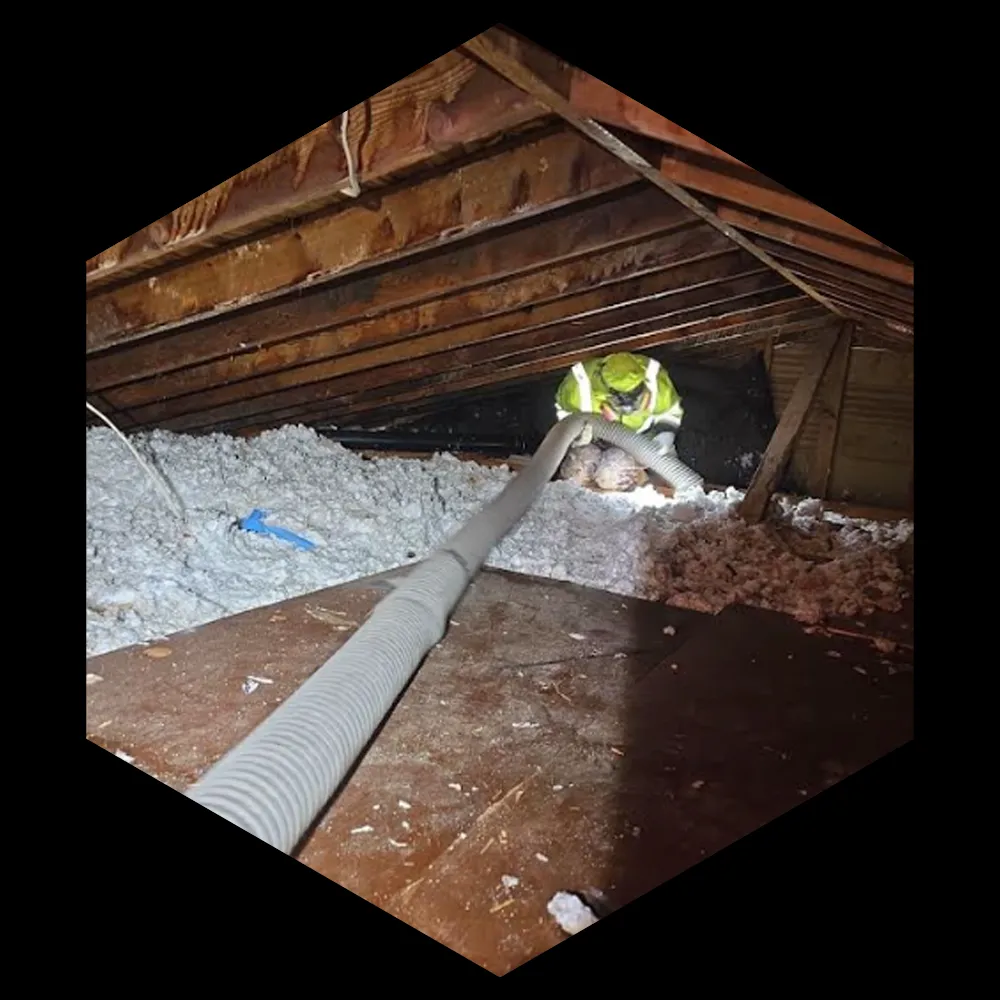
How Trapped Moisture Feeds Spores
Daily chores dump gallons of water vapor into your home. Hot showers, boiling pots, and wet laundry send steam drifting up through tiny ceiling gaps. Mold spores float everywhere all day. They wait for a damp meal. Give them wet pine boards and mild heat, and they bloom in two days flat. Fresh roof air dries wood fibers fast. Dormant dust stays harmless. Dry timber simply cannot grow fuzzy green spots.
Intake and Exhaust Air Balance
Good roof venting works like breathing in and out. Cool outside air enters low along the eaves through open soffit slots. Warm air rises toward the roof peak. It exits through ridge vents. Block the bottom intake with thick attic pads, and the whole loop stalls. Air sits dead still in the corners. Both ends of the path must stay clear. Steady wind then sweeps damp air out all year long.
Winter Frost and Summer Heat
Cold winters fool many homeowners. Freezing roofs turn rising house steam into white frost along nail tips and wood decks. Come March, warm sun melts that ice fast. Water soaks straight into pine boards. Crews offering Naperville Attic Mold Removal Services see this spring spike every year. Summer bakes sealed attics past a hundred degrees and traps sticky air. Balanced vents keep roof wood cool in July. They also keep boards bone dry in January.
Early Signs Your Roof Chokes
Houses drop clear clues when roof air stalls. Pop opens your attic hatch on a damp morning and sniff for wet cardboard or old socks. Check for rusty nail tips. Look for curled shingles outside or black rings around bath fan pipes. Even a busy Elmhurst Attic Mold Removal Company inspects blocked soffits first before scrubbing dark wood. Spotting wet rafters early saves cash. It spares your home from torn roof decks later.
Simple Fixes That Stop Rot
Small weekend habits keep your top floor breathing freely. Pull stored holiday bins and boxes away from the outer leaves so air slips past. Install cheap foam baffles between rafters before laying down fresh floor pads. Bath fans must vent all the way outdoors. Never dump steam onto bare joists. Sealing wire holes with foam blocks warm house air from sneaking up. A quick flashlight walks each spring catches trouble early.
Conclusion
Dry attics do not happen by luck. Steady airflow across your roof deck stops trapped steam from soaking rafters and feeding spores. Open soffits and clear ridge vents work all year. They shield wood in freezing winters and muggy summers alike. Check your attic twice each year. Keep vents free of dust and seal ceiling leaks fast. Protecting your roof framing today keeps your whole home safer, cleaner, and free from wood rot.
