How Hair Growth Works Naturally for Healthy Hair
Healthy hair is often considered a sign of overall wellness and confidence. However, maintaining strong and healthy hair requires understanding how hair growth works and what factors influence its condition. Many people try different products and treatments without knowing the natural process behind hair growth.
Hair growth is a biological process influenced by genetics, hormones, nutrition, lifestyle habits, and proper hair care. While external products can support hair health, the foundation of strong hair begins inside the body and depends on maintaining a healthy scalp and balanced lifestyle.
Understanding the natural hair growth cycle and following effective care practices can help individuals improve hair strength, reduce damage, and maintain healthier-looking hair over time.
Understanding the Natural Hair Growth Cycle
Hair growth follows a continuous cycle consisting of different phases. Each hair strand grows independently, which is why people naturally lose some hair every day.
The first phase is the anagen phase, also known as the growth phase. During this stage, hair follicles actively produce new hair cells, and the hair strand continues to grow.
The second phase is the catagen phase, which is a short transition period when hair growth slows down.
The final phase is the telogen phase, where the hair rests before eventually shedding and making space for new growth.
Understanding this cycle helps explain why hair growth takes time and why sudden changes in hair condition may not appear immediately.
The Role of Hair Follicles in Growth
Hair follicles are tiny structures located inside the skin that produce hair. The health of these follicles plays a major role in determining hair growth quality.
Each follicle receives nutrients and oxygen through blood circulation, allowing it to produce strong hair strands.
A healthy scalp environment supports better follicle function, while problems such as excessive dryness, irritation, or poor scalp care can affect hair quality.
Taking care of the scalp is therefore just as important as caring for the hair itself.
How Nutrition Supports Hair Growth
Nutrition has a significant impact on hair health. Hair is made primarily of a protein called keratin, which means the body requires sufficient nutrients to support hair production.
A balanced diet containing proteins, vitamins, minerals, and healthy fats helps provide the building blocks needed for strong hair.
Nutrients such as iron, zinc, vitamins, and essential fatty acids play important roles in maintaining healthy hair structure.
Poor nutrition or sudden dietary changes may affect hair strength and contribute to increased shedding.
Eating a variety of nutrient-rich foods supports overall health and creates better conditions for natural hair growth.
Importance of Scalp Health
The scalp is the foundation of healthy hair growth. A clean and balanced scalp environment supports normal follicle function.
Excess oil, product buildup, dryness, or irritation can affect scalp condition and may influence hair quality.
Regular cleansing helps remove dirt, oil, and impurities while maintaining the scalp’s natural balance.
However, using harsh products or washing too frequently may cause dryness and discomfort.
Choosing suitable hair care products based on scalp needs is an important part of maintaining healthy hair.
The Impact of Genetics on Hair Growth
Genetics play a major role in determining hair characteristics such as texture, thickness, growth pattern, and natural hair cycle.
Some people naturally have thicker or faster-growing hair, while others may have different growth patterns due to inherited factors.
Genetics cannot be completely changed, but proper nutrition, scalp care, and healthy habits can help maximize the natural potential of hair.
Understanding genetic influence helps create realistic expectations about hair growth.
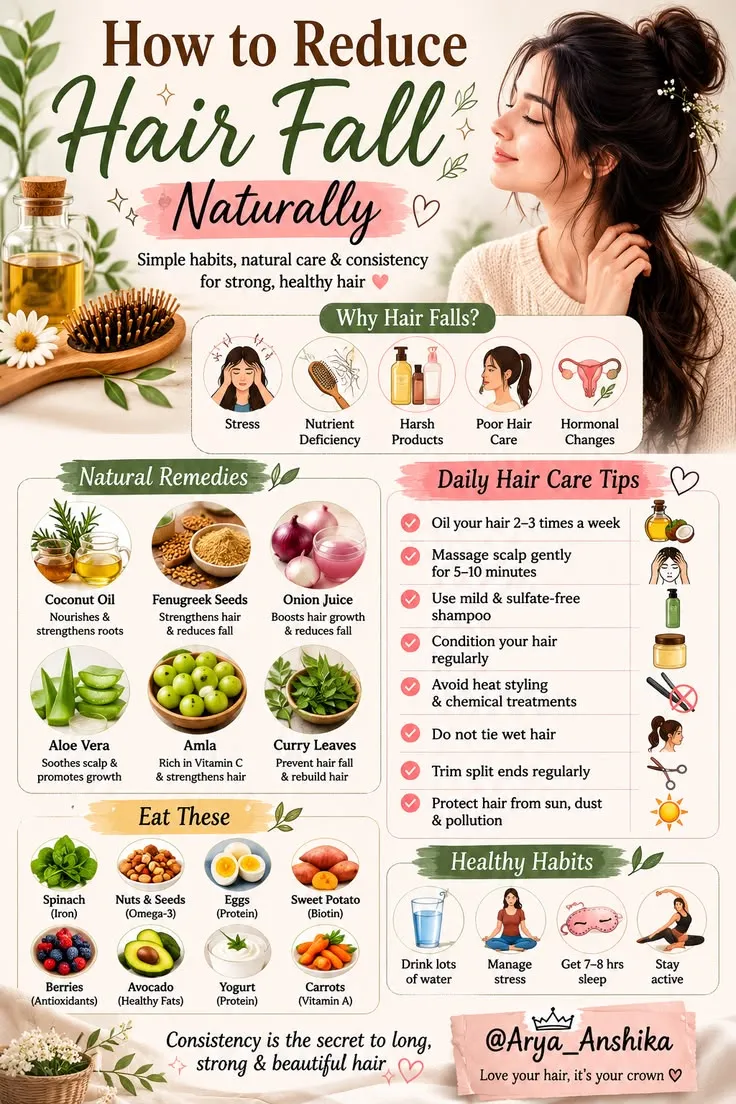
How Lifestyle Habits Affect Hair Health
Daily lifestyle choices can influence the condition of hair. Factors such as stress, sleep quality, physical activity, and overall health can affect the body’s ability to maintain healthy hair.
High stress levels may disturb normal body functions and contribute to temporary changes in hair growth patterns.
Getting enough sleep, staying physically active, and managing stress effectively support overall wellness, which can also benefit hair health.
Healthy hair is often connected to healthy lifestyle habits.
The Connection Between Hydration and Hair Quality
Water plays an important role in maintaining overall body functions, including healthy skin and hair.
Proper hydration supports the body’s natural processes and helps maintain moisture balance.
Dehydration may contribute to dryness and reduced hair appearance.
Drinking enough water and maintaining a balanced diet support better conditions for healthy hair.
Hydration alone cannot guarantee hair growth, but it is an important part of overall wellness.
Protecting Hair From Damage
Hair damage can affect the appearance and strength of hair strands. Heat styling, chemical treatments, excessive brushing, and environmental exposure can weaken hair over time.
Using gentle hair care practices helps reduce unnecessary damage.
Avoiding excessive heat, handling hair carefully, and using protective products when needed can help maintain hair quality.
Healthy hair growth depends not only on new growth but also on protecting existing hair.
Choosing the Right Hair Care Routine
Every person’s hair is different, so a suitable hair care routine depends on hair type, scalp condition, and personal needs.
People with dry hair may need more moisturizing care, while those with oily scalps may require products that help maintain balance.
A simple and consistent routine is often more effective than using many products without understanding their purpose.
Regular care, gentle handling, and suitable products help create healthier hair conditions.
The Importance of Regular Hair Maintenance
Regular maintenance helps prevent common hair problems and keeps hair looking healthy.
Simple habits such as trimming damaged ends, avoiding harsh treatments, and maintaining scalp cleanliness contribute to better hair appearance.
Although trimming does not directly increase hair growth from the roots, it can help reduce split ends and maintain healthier-looking hair.
Consistent maintenance supports long-term hair care goals.
Common Myths About Natural Hair Growth
Many hair growth myths create unrealistic expectations. Some people believe that certain quick solutions can dramatically increase hair growth overnight, but natural hair growth is a gradual process.
Hair growth depends on multiple factors, including genetics, nutrition, and overall health.
Products and treatments may support hair care, but they cannot replace healthy habits and proper maintenance.
Understanding facts about hair growth helps people make better decisions.
When to Seek Professional Advice
Sometimes changes in hair condition may require professional guidance.
Sudden excessive hair loss, noticeable thinning, scalp problems, or major changes in hair growth patterns may indicate underlying issues.
Healthcare professionals or hair specialists can help identify possible causes and suggest suitable approaches.
Early attention can help address concerns more effectively.
Frequently Asked Questions (FAQs)
How fast does hair naturally grow?
Hair growth varies from person to person and depends on factors such as genetics, health, and lifestyle habits.
Can diet improve hair growth?
A balanced diet provides important nutrients that support healthy hair structure and normal growth processes.
Does washing hair frequently cause hair loss?
Normal washing does not cause permanent hair loss, but using unsuitable products or harsh techniques may damage hair.
Conclusion
Natural hair growth is a complex process influenced by biology, nutrition, genetics, and lifestyle choices. Understanding how hair grows helps people create better care routines and avoid unrealistic expectations.
Healthy hair does not come from one single solution. It requires consistent care, proper nutrition, scalp maintenance, and healthy daily habits.
